

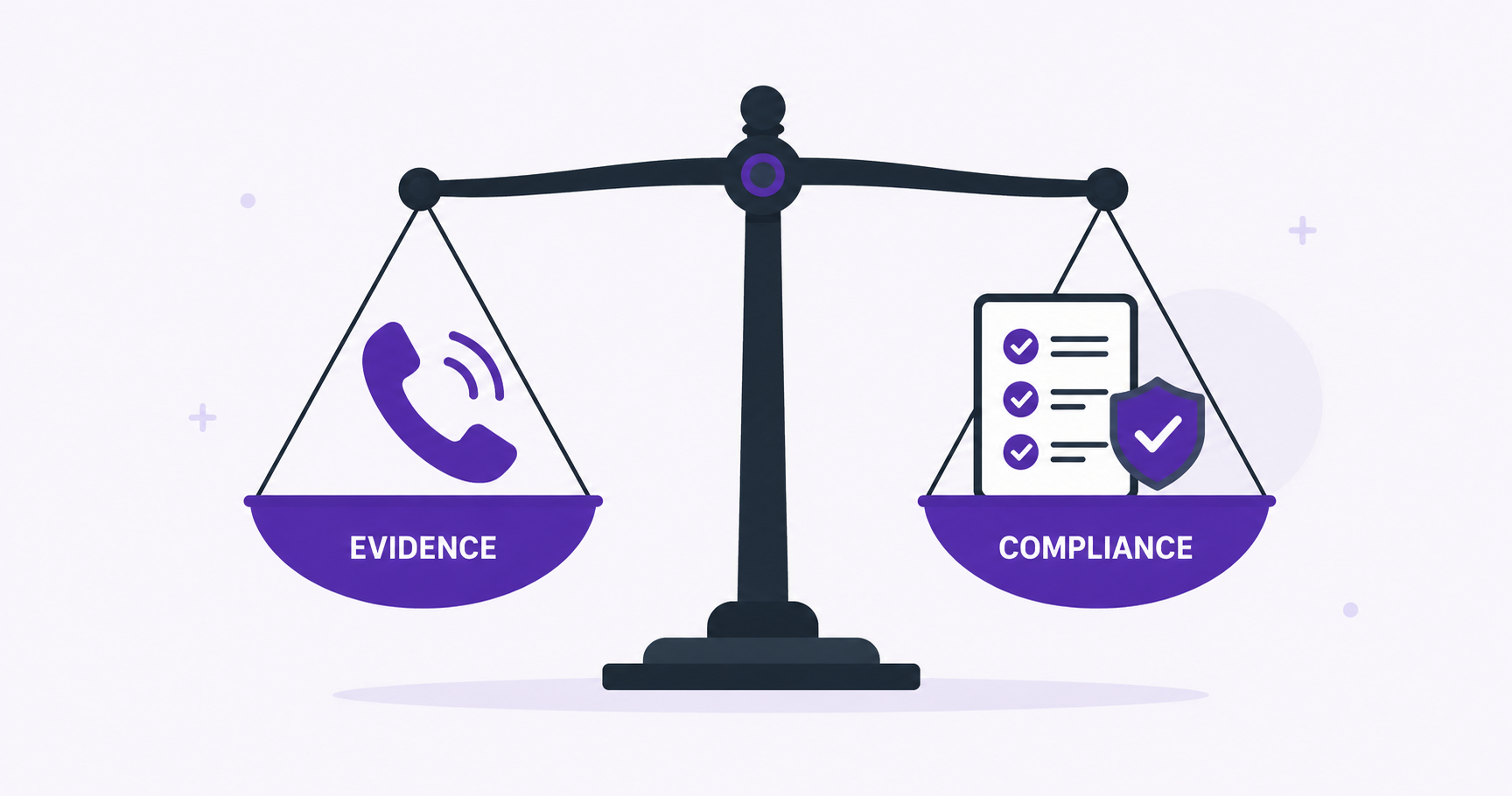
Yes, AI cold calling works for real estate, for a specific slice of the job: answering inbound leads fast and running a consistent qualification conversation at volume. It is not a universal replacement for relationship-based prospecting, and it operates under the same federal calling rules as any other outbound call. This post covers what the evidence actually supports, what prospects push back on, where it fails in practice, and the compliance framework you need to know before you turn it on. If you have not read what an AI calling agent actually is and how it works, start there first; this post assumes you already know the mechanics.
What the research actually says about speed
The most-cited data point in this space traces back to a specific study, and it gets misattributed constantly, so here is the correct version. In 2007, Professor James Oldroyd, working with InsideSales.com, analyzed over 15,000 leads and more than 100,000 call attempts across six companies to measure how response time affected contact and qualification rates. The study found that the odds of successfully contacting a lead dropped by a factor of 100, and the odds of qualifying that lead dropped by a factor of 21, when the callback came at 30 minutes instead of 5 minutes.
That is a 2007 study, not a 2024 one, and the industry it was named for at the time was general B2B web leads, not real estate specifically. It still holds up directionally: a lead's willingness to talk decays fast after they submit a form, which is the entire case for automated first response. I am not going to hand you a real-estate-specific version of this number, because I have not found one I can verify to a primary source, and an unverified number is worse than no number.
What prospects actually think when they realize it's AI
This is the honest, non-vendor-brochure answer: reactions split. Some leads do not care at all, because they submitted a form at 11pm and just want an answer; getting a fast, competent conversation beats waiting until 9am for a human callback, and a lead in that mindset is not going to penalize you for speed. Other leads react badly the moment they suspect they are talking to a machine, especially if the system was built to disguise that fact. The failure mode I see most often in poorly built systems is exactly that: pretending to be human, getting caught (usually on a follow-up question the AI can't handle), and burning trust that a straightforward "I'm an assistant on Sarah's team, here to get you scheduled" would not have burned. Transparency is not just an ethics preference here. It is the difference between a system that works and one that generates complaints.
Is AI cold calling legal for real estate agents?
This is where I want to be precise, because the compliance stakes are real and the vendor content in this space is often vague on purpose. Three things matter:
The Telephone Consumer Protection Act (TCPA)
The TCPA governs calls made using an "artificial or prerecorded voice." In February 2024, the FCC issued a Declaratory Ruling confirming that AI-generated voices on calls are treated as an "artificial or pre-recorded voice" under the TCPA, closing the argument that an AI voice somehow falls outside the existing rules. What that means in practice: calls made with an AI voice need the same prior express consent, identification, and opt-out handling that any other outbound telemarketing call needs.
The National Do Not Call Registry
The registry is jointly run by the FTC and FCC. Under the FTC's own guidance, a business generally cannot call a number on the registry unless an exemption applies, and one relevant exemption for real estate is the established business relationship: a company can call for up to 18 months after a consumer's last purchase, delivery, or payment, or for up to three months after a consumer's inquiry or application. That three-month inquiry window is the one that matters most for a lead who just filled out a form on a listing site: it gives you a defined runway, not an indefinite one.
Calling hours and identification
Telemarketing calls generally cannot happen before 8am or after 9pm in the recipient's time zone, and telemarketers must identify themselves and their business during the call.
None of this is legal advice, and I am not a lawyer. State-level rules can add requirements on top of the federal framework. Before you turn on any automated calling system, confirm your specific consent flow, lead sourcing, and calling hours setup with an attorney who handles TCPA compliance. I am working on a dedicated, compliance-only guide for the next batch of posts that goes deeper into this than fits here.
When AI cold calling does not work
Being straight about the limits matters more than selling the category. Situations where I would not lead with an AI voice call:
- Relationship-based prospecting. Expired listings, FSBOs, and sphere-of-influence outreach depend on a familiar human voice and the ability to read tone and push back in real time. Speed is not the bottleneck there; trust is.
- Complex objection handling. A lead who wants to negotiate commission structure or ask nuanced pricing strategy questions needs a licensed human, not a qualification script.
- Anything requiring licensed advice. An AI system should never answer questions that legally require a licensed agent to answer. A well-scoped system routes those straight to a human instead of guessing.
Questions to ask any AI cold calling vendor before you buy
Whether you talk to me or someone else, this checklist separates a system built with real engineering care from a reskinned chatbot with a phone number attached:
- Does the AI introduce itself honestly as an assistant, or does it try to pass as human?
- What happens when the lead gives an ambiguous or off-script answer? Ask for a specific example, not a general claim.
- How does the system detect voicemail versus a live answer, and what happens on a false detection?
- What consent flow governs which leads get called, and how is that consent recorded?
- How does the system handle calling hours across time zones, not just the office's local time?
- What exactly gets written back to your CRM, and what happens if that write-back fails?
- Can you see or hear a real (not scripted) sample call before committing?
A vendor who cannot answer these specifically, and instead defaults to "our AI is very advanced," is telling you something important about how much engineering actually went into the product.
A realistic picture of results, without inventing one
I am not going to hand you a conversion percentage or a before-and-after number for this category, because the verified, correctly-attributed research on this topic is the 2007 response-time study cited above, and it measures contact and qualification odds, not final conversion to closed transactions. Any real-estate-specific conversion percentage you see quoted online (and there are a lot of specific-sounding ones circulating) should be treated with real skepticism unless the source publishes their actual methodology and sample. I would rather tell you that plainly than hand you a number I cannot stand behind.
What I actually build
I have shipped more than 20 automation systems across different industries and I am now focused on real estate. I do not have real-estate client results to point to yet, since this is a newer focus for me, and I would rather say that plainly than imply otherwise. What I build is scoped specifically to the part of the job where speed and consistency matter most: instant first response to inbound leads, honest qualification, and a booked appointment, handed to a human for everything past that, with a compliant calling setup built in from the start rather than bolted on after the fact. If you want a straight look at whether your current lead flow has this gap, the $99 lead-response audit is the lowest-commitment way to find out, or you can book a free strategy call directly.